Sunday, June 30, 2019

The Decay of Memory

Decay Theory

Information in sensory memory and short-term memory decays quickly with time, but does long term memory decay as well? An early explanation for forgetting was Decay Theory, which proposed that as time passed and being disused, long-term physical memory traces in the nervous system can fade away. But Decay Theory soon fell into disfavour as scientists were unable to locate neither physical memory traces nor measure physical decay.

However, of recent decades, scientists have begun unravelling the manner in which neural circuits change with the formation of a long-term memory formation, sparking new interests in examining the way these changes might decay over time.


Unfortunately, Decay Theory’s prediction of; the longer the time interval of disuse between learning and recall, the less should be recalled; is problematic. For example, some professional actors tend to display perfect memory for words last used by them on stage two years ago despite having moved on to new acting roles and scripts.

Moreover, when research participants learn a list of words or a set of visual patterns and are retested at two different times, they, at times, recall material during the second resting that they were unable to remember during the first. This phenomenon, called Reminiscence, seems inconsistent with the concept that a memory trace decays over time. To sum up, scientists still debate the validity of Decay Theory.


Motivted Forgetting


Psychologists propose that people, at times, are consciously or unconsciously motivated to forget. According to Sigmund Freud, it was often observed that during therapy sessions, his patients remembered long-forgotten traumatic or anxiety-arousing events. For example, one of his patients suddenly remembered with great shame such an event in which she, while standing beside her sister's coffin, thought: "Now my brother-in-law is free to marry me."

Freud's conclusion was that the thought was so shocking and anxiety-arousing that the woman had repressed it and pushed it down into her unconscious mind, and left it there to remain until it was later uncovered during a therapy session. Repression is a motivational process which protects us by blocking the conscious recall of anxiety-arousing memories.

The concept of repression is controversial, with some evidence supporting it while others disreputing it. People do tend to forget unpleasant events—even traumatic events—yet they can forget very pleasant ones as well. If a person can't recall a negative experience, is it due to repression or to normal information processing failures? Overall, it has been difficult to demonstrate experimentally that a special process akin to repression is the cause of memory loss in the case of anxiety-arousing events.

Prospective Memory


Have you ever forgotten things like mailing a letter, turning off your oven, purchasing a thing you need from the market, or keeping an appointment? In contrast to Retrospective Memory, which is a reference to events of the past, Prospective Memory concerns remembering to perform an activity in the future. That individuals forget to do things as often as they do is interesting, because prospective memory typically involves little content.

Often we need only to recall that we must perform an event-based task ("Remember to mail the letter on your way home" or "Remember to buy milk when you are at the supermarket") or a time-based tasks ("Remember to take your medication at 5:00 pm" or "Remember to keep your doctors appointment at 2:00 pm").

Successful prospective memory, however, draws on cognitive abilities such as planning and allocation of attention while performing other tasks.


During adulthood, do we become increasingly absentminded about remembering to do things, as suggested by a common stereotype? Numerous laboratory experiments support this view. Typically, participants are asked to perform a task requiring their ongoing attention while trying to remember to signal the experimenter at certain time intervals or whenever specific events take place.

Older adults, in general, tend to display poorer prospective memory, especially when the signalling is time-based. However, when prospective memory is tested outside the laboratory using tasks such as simulated pill-taking, healthy adults in their 60s to 80s often perform as well as—or even better than—adults in their 20s. Perhaps older adults feel more motivated to remember in such situations, or maybe they rely more on habit and on setting up of a standard routine.

Amnesia


As  H.M.'s case illustrates, the most dramatic instances of forgetting occur in amnesia. The term Amnesia is commonly referred to as memory loss due to special circumstances such as brain injury, illness, or psychological trauma. However, as we'll see shortly, there is one type of amnesia experienced by everyone.

Amnesia takes several forms: Retrograde Amnesia represents memory loss for events that took place sometime before the onset of amnesia. For example, H.M.'s brain operation, which took place at age 27, caused him to experience mild memory loss for events in life that had occurred during the preceding year or two. For example, when he was 25 to 26 years old.


Football players experience retrograde amnesia when they are knocked out by a concussion; they regain consciousness and cannot remember the events that had occurred just before being hit.

Anteretrogade Amnesia refers to memory loss for events that occur after the initial onset of amnesia. H.M.'s brain operation and, pratricularly the removal of much of his hippocampus, produced severe anterograde amnesia, robbing him of the ability to consciously remember new experiences and facts.

Similarly, the woman whose hand was pinpricked by Swiss psychologist Edouard Claparède during a handshake also suffered from anterograde amnesia; moments later, she could not consciously remember the episode. But, unlike HM's anterograde amnesia, hers was caused by Korsakoff's Syndrome, which can result from chronic alcoholism. It may also cause retrograde amnesia.

Friday, June 14, 2019

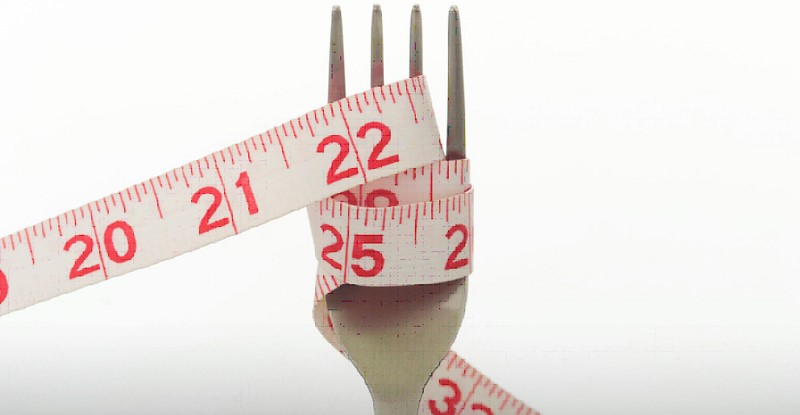
The Psychology of Hunger

Eating and digestion supply the body with the necessary fuel needed for function and survival. Metabolism is the body's rate of energy (or calorie) utilization and several psychological mechanisms that keep our body in energy homeostasis by regulating the food consumption rate. For example, some psychological signals induce hunger and prompt the need to eat, while others stop the intake of food by producing satiety (the state in which we don't feel hunger anymore).


However, this is not the case as many people believe that hunger and eating simply occur when energy levels in our bodies run low and that we feel full when our immediate energy levels are restored. Our body monitors its energy supplies, but this information interacts with other factors; for example, the amount and variety of food to regulate the food intake—making hunger and satiety not necessarily linked to immediate energy requirements. Moreover, homeostatic mechanisms are designed to prevent us from running low on energy in the first place. In evolutionary terms, an organism that did not eat until its energy supply started to become low (in any absolute sense) would be at a serious survival disadvantage.

Finally, many researchers believe that there is a set point; or, as said biologically, a determined standard; around which body weight (or more accurately, fat mass) is regulated. This view holds that if we tend to overeat or undereat, homeostatic mechanisms alter our energy utilization and hunger to make us return to close to our original weight. But some researchers argue that the set point theory has limitations. They propose that as we overeat or undereat, homeostatic mechanisms make it harder to keep gaining or losing weight, but do not return us to our original weight. This makes us possibly settle in a new weight over time. Stated in a different point of view, "Biology does not determine a fixed body weight but rather, a range or zone of body weight."

Genes and Environment


Some individuals gain weight more easily than others even with less consumption of foods as well as  less fatty food consumption, while there are others who eat in excess with more fatty food and still stay slim for example: South Esat Asians who eat an excessive amount of fat still stay slim while others can gain weight with less amount of fat consumption. The reason for this can be in the genes, making some individuals more susceptible to gaining weight due to low metabolism, while others stay slim due to high metabolism. But there can be hormonal factors which contribute to weight gain and loss as well; such as thyroid conditions, thyroid dominance and menopause in some people. Heredity influences one's basal metabolic rate, causing a tendency to store energy as fat or lean tissue. Identical twins that are raised apart are about as similar body mass as identical twins who are raised together. This makes the genetic factors account for about 40% to 70% of the variation in BMI among both genders.


According to studies, over 200 genes have said to be have been identified as possible contributors to human obesity. However, although heredity affects our susceptibility to obesity, the environment does play a part in causing obesity too. There haven't been much changes in genes in recent decades, but the rate of obesity has had a significant increase. Experts believe the reasons to be the abundance of inexpensive foods that taste good but contain a high percentage of fats and carbs; a cultural emphasis on getting the best value, which contributes to the supersizing of menu items; and the advances in technology, which decrease the need for daily physical activity.

The Pima Indians of Arizona have provided a striking example of the way genes and environment interact in producing obesity. The Pimas have a genetic predisposition to obesity and diabetes, but before the 20th century, both these conditions were rare among the members of the tribe. Their native diet and the physically-active lifestyle prevented their genetic predisposition from expressing itself. But Pimas born after World War II, in particular, have had a dramatic increase rate in obesity with the adoption of a westernized diet and sedentary lifestyle. Today, the Pimas living in Arizona have one of the highest rates of obesity and diabetes in the world. In contrast to this, however, the Pimas living in northwest Mexico have a much lower obesity rate than their Arizona counterparts due to their sticking to a more traditional diet with more performance of physical labour.

Dieting and Weight Loss


However, for millions of overweight people, being fat primes them to stay fat, in part by altering their body chemistry and energy expenditure levels. This is an example of why obese people generally have high levels of insulin (a hormone that is secreted by the pancreas helping convert glucose into fat) than people with normal weight do. Substantial weight gain can also make it hard to exercise vigorously, and dieting slows the basal metabolism as the body responds to food deprivation with a decrease in energy expenditure.

Does this mean that diets are doomed to fail? The common adage of "Ninety-five percent of individuals who lose weight, regain the lost weight within a few years" evolved from a single study that was done decades ago. According to Albert Stunkard, one of the researchers, 100 obesity patients were given a diet and sent off, which was 'state-of-the-art' in 1959. There are no good longterm estimates of weight loss success rates in part because we rarely hear from people who succeed (or fail) on their own without the help from clinics or treatment programmes.


There are reports of around one-third of Americans trying to lose weight, although not all of them are the ones who necessarily need to lose weight. There are significant sex and ethnic differences in dieting emerging from adolescence. Some dieters are motivated by health consequences, while the primary motivators to be slim are psychological concerns and social pressures—especially among women. Which may begin as a diet may, unfortunately, evolve into a life-threatening eating disorder.

Monday, June 10, 2019

Eating Disorders: Anorexia and Bulimia

According to researchers, the motivation of abnormal behaviour (like seen in anorexia and bulimia) could be caused by the contribution of psychological, environmental, and biological factors. Researchers are unable to experiment on individuals affected by these disorders in order to manipulate possible causes to check if individuals become anorexic or bulimic, but they are able to examine the factors associated with the disorders, as well as the changes that occur in the individuals when they are treated successfully.

Risk Factors

Two college freshmen named Sara and Lisa suffered from eating disorders. Sara was a victim of anorexia nervosa, which was an intense fear of being fat, causing her to severely restrict her food intake to the point of self-starvation. Despite looking emaciated and weighing 85 percent less than a person would be expected to be according to the said person's age and height, anorexic patients continue to view themselves as being fat. Anorexia causes a cease in menstruation, produces bone loss, stresses the heart, and increases risk of death.


Individuals like Lisa, who suffers from bulimia nervosa, are also in fear of getting fat. They tend to binge-eat, after which they purge the food by inducing vomiting or using laxatives. Often individuals suffering from bulimia consume between 2,000 to 4,000 calories during their binges. In some cases, they tend to consume around 20,000 calories per day. Although most bulimics are of normal body weight, repeated purging can cause severe physical consequences; which include gastric problems and badly-eroded teeth. Whereas most anorexics do not see their food restriction as problematic, bulimics typically do. However, they find it extremely difficult to alter their binge-purge pattern.

According to Becker, in 1999, around 90 percent of anorexic and bulimic individuals were women. According to some surveys, up to 10 percent of college women exhibited symptoms of bulimia although the general prevalence among North American women was 1 to 3 percent compared with 0.5 percent for anorexia. The latest statistics will be higher.

Sociocultural Factors


Anorexia and bulimia are more common in industrialized cultures, where being thin is equated to beauty. However, cultural norms alone cannot be held accountable for eating disorders as only a small percentage of women within a particular culture tend to be anorexic or bulimic; personality factors can be part of the issue. Anorexic individuals are often perfectionists. For example; Sara, who was a high-achiever (a highschool valedictorian), strove to live up to lofty self-standards which included strict ideals of an acceptably thin body. For Sara and Lisa, losing weight became a battle for success and control.


Their upbringing too may have played a role in their need for perfectionism and control. According to their description of their parents; they are disapproving, with expectations of abnormally-high achievement standards. For some anorexic children and teens, food refusal may be reinforced by the distress they cause their parents to feel; making self-starvation a way to punish their parents while gaining some control over their lives. As one anorexic patient said in a therapy session: it was like a power thing; I was showing my mother that  I don't need to eat and I can make her mad. The last thing a  parent wants is for you to die. You can get back at anyone, but if I  need to find a way, I had to forgive her as I am killing myself.

For individuals with bulimia, a different pattern from anorexia emerges; tending to be depressed and anxious, with an exhibition of low-impulse control, as well as lacking a stable sense of personal identity. Their food cravings are often caused by stress and negative mood, causing them to binge-eat to temporarily reduce their negative emotional state; followed by feelings of guilt, self-contempt, and anxiety—which is followed by the purging, maybe as a means of reducing these negative feelings.

Genetic Factors


On the biological side, genetic factors appear to predispose some individuals towards eating disorders. The concordance rate of eating disorders is higher among identical twins than among fraternal twins. The concordance rate between first-degree relatives, such as parents and siblings, are also higher than third and fourth-degree relatives. Researchers are searching for specific genes and combination genes that could be contributors to eating disorders.


Anorexia and bulimia exhibit abnormal activity in serotonin, leptin, and other body chemicals. According to the belief of some researchers, neurotransmitter and hormonal imbalances help in the causing of eating disorders; but others propose that the abnormal eating patterns are the initial cause of the chemical changes as a response that, once started, perpetuate eating and digestive irregularities. Other bodily changes also help in the perpetuating of eating disorders. An example of this is the stomach acid which is expelled into the mouth during vomiting, which causes those suffering from bulimia to lose taste sensitivity and also makes the usually unpleasant taste of vomit more tolerable.

Treating eating disorders can be difficult, taking years; but with professional help, around half of all anorexic and bulimic patients are able to make a full recovery while others are able to eat more normally while still maintaining their preoccupation with food and weight.

Saturday, May 11, 2019

Psychological Aspects of Hunger

Eating is positively reinforced by the good taste of food and negatively reinforced by hunger reduction. We develop an expectation of eating being pleasurable, making it an important motivation to seek out and consume food. Even the mere thought of food can trigger a feeling of hunger.

Attitudes, habits, and psychological needs also regulate food intake. Have you felt stuffed during a meal yet finished it and gone on to have dessert as well? Beliefs such as not to leave food remaining on your plate, as well as condition habits of autopilot snacking while watching TV, may lead us to eat even when we are not hungry. Conversely, countless dieters tend to restrict their food intake even when hungry.

Social Pressure

Especially for women, such restrictions stem from social pressure to conform to cultural standards of beauty from Playboy centrefolds and beauty pageant contestants and fashion models. It is an indicator of a clear trend towards a thinner and increasingly unrealistic ideal female body shape starting from the 1950s. Given the deluge of "thin = attractive" mass media messages in many parts of the world, it's not surprising that a survey in Australia has revealed that, even though most young women there are of average, healthy weight, only a fifth are happy with it.

Among 12 to 19-year-old Chinese female students, 80 percent are concerned about their weight. Compared with male American high school students, female students are less likely to be overweight, but more likely to diet and think of themselves as overweight. In comparison to men, women became increasingly dissatisfied with their body image throughout the last half of the 20th century.


A study by April Fallon and Paul Rozzin suggests an additional reason for this. Female college students overestimated the needed body average to conform to male preferences, while men overestimated their necessary bulkiness to conform to women's preferences. Women also had the tendency to perceive their body shape as heavier than ideal.

A study in 2004, on American and Spanish men and women, replicated this study with men's overall perception serving to keep them satisfied with their figures, while women's perceptions placed pressure on them to lose weight. Whether it be Caucasian American, African American, or Hispanic American, the men seemed more likely to have ego-protective perceptions about their body shape than women do.

However, men, too, are influenced by cultural ideals. College men's satisfaction with their bodies tend to decrease when exposed to series of advertisements of muscular males, but not when advertisements of average-built men came on. College athletes with value for muscle function tend to believe that women's preference is for a more muscular body type than theirs, making them have a preference of being more muscular than they are. The general consensus is that women's typical need is to be thin, with men who are overweight wanting to be thin and thin men wanting to be more buff.

Environmental and Cultural Factors


Food availability is the most obvious environmental regulator of eating. For millions who live poverty-stricken or famine-ravaged regions, the scarcity of food limits consumption. In contrast, the abundance of high-fat foods in many countries is a contributing factor to a high rate of obesity.

The taste and varieties of food also regulate eating. Foods that taste good increase consumption, but during a meal and from meal-to-meal; we can grow tired of eating the same thing, causing termination of the meal more quickly. In contrast, food variety increases consumption as observed at buffets.


This is because, through classical conditioning, we learn to associate the smell and sight of food with taste; in return, these food cues cause hunger. You may not be hungry and feel no need to indulge yourself unnecessarily, but the sensuous aroma will change your mind, making you feel hungry when you are not, like when you get the smell of baked goods. Even rats who are already full and ignore available foods will eat again with classically conditioned lights and sound settings they are used to associate food with.

Many other environmental stimuli can affect food intake. For example, we tend to eat more when dining with others than when dining alone. Cultural norms influence when, how, and what we eat as well. In Mediterranean countries such as Greece and Spain, they often begin their dinner late evening (around 9 p.m.). By this time, most North Americans have finished their dinner. Also, although we love variety, we tend to be more comfortable with familiar foods, often feeling difficulty overcoming squeamish thoughts of unfamiliar dishes.

Obesity


The heaviest known male and female according to history records were both Americans, weighing 1,400 pounds and 1,200 pounds, respectively, according to the Guinness Book of World Records, in 2000. A few people had approached that weight, but according to the body mass index (BMI), which takes into account the height and weight of an individual; a staggering 25 to 30 percent of American adults are obese, with 30 to 35 percent being overweight. From Canada to the Palestinian west bank, the adult obesity rates recorded are 20 to 50 percent according to many studies.


Being Obese places a great risk on one's health, as well as targets of prejudice and stereotypes. Obesity is often blamed on lack of will-power, a dysfunctional coping mechanism, heightened sensitivity to external food cues, and emotional disturbances. However, researchers have no such consistent findings between obese and non-obese people. There are hormone-related conditions that can cause weight-gain without excess food consumption, too, and hypothyroidism is one of them. South-East Asians tend to stay slim even with high-fat food consumption due to their genes, which means genes may be in play in as well, in cases of obesity.

Saturday, May 4, 2019

Consequences of Diagnostic Labels

Diagnostic labels can cause important personal, social, and legal consequences for people on the receiving end of them, going beyond their clinical and scientific utility.

Social/Personal Consequences


Once a diagnostic label is attached to a person, It becomes all too easy to accept that label to be an accurate description of that individual rather than his or her behaviour. It makes it difficult to look objectively at the said person's behaviour without preconceptions of how such an individual would act. There is a likelihood of it affecting the way we would interact with such a person. For example, how would you react to the news that your new next-door neighbour had been diagnosed as a paedophile? It would be surprising if this label has no influence on your perception and interaction with that individual, whether or not the label was accurate.

According to one famous study in 1973, eight normal individuals, including psychologist David Rosenhan, got themselves admitted to psychiatric hospitals of five different states by informing mental health workers of hearing strange voices. Not surprisingly, they are diagnosed with schizophrenia upon admission. However, after admission, they acted completely normal for the duration of their stay. Upon discharge, after intervals ranging from 7 to 52 days, they typically received the diagnosis of 'schizophernia, in remission'. This label means that even with the absence of deviant behaviour, the disorder was still presumed to be present, though not currently active. Once a label is attached (understandably, in this case, given the reports of hearing strange voices), diagnosis labels are not easily shed, even with the disordered behaviour no longer present.


Psychiatrist Thomas Szasz has long been an outspoken critic of psychiatric diagnosis. He argues that the concept of mental health is itself a myth; a poor analogy to physical illness. In contrast to physical illness diagnoses, there are no physical criteria for mental illness. According to Szasz, the deviance called mental illness by psychiatry are better viewed as "problems in living" rather than "inner disorders". According to his suggestion, society invented the concept of mental illness in order to make it easier to control or change people whose behaviour upsets or threatens the existing social order. Although many mental health experts disagree with Szasz's extreme argument, they readily acknowledge the arbitrary elements in judgments of deviance.

Diagnostic labels can also play a role in the creation and worsening of psychological disorders. When individuals are aware of a psychiatric label being applied to them, they may accept the new identity implied by the label and develop the expected role and outlook. Due to the psychiatric labels often carrying degrading and stigmatised implications, the effects on morale and self-esteem can have devastating effects. Moreover, a person may despair of ever-changing and therefore, give up trying to deal with life's circumstances that may be responsible for their problems. In this way, the expectations that accompany a label may result in a self-fulfilling prophecy in which expectations become reality. Many individuals with psychological problems do not seek treatment due to the stigma attached to mental illness.

Legal Consequences


Psychiatric diagnoses also have legal consequences. Individuals judged to be dangerous to themselves or others may be involuntarily committed to mental institutions under certain circumstances. When so committed, they lose some of their civil rights and could be detained indefinitely if there is no improvement in their behaviour.

The law tries to take into account the mental statuses of individuals who are accused of crimes. Two peculiar legal concepts are competency and insanity. Competency refers to a defendant's state of mind at the time of a judicial hearing (not at the time of which the crime was committed). A defendant judged to be too disturbed to understand the nature of the legal proceedings may be labelled as "not competent to stand trial" and will be institutionalised until judged competent.


Insanity relates to the presumed state of mind of the defendant at the time which the crime was committed. Defendants may be cleared "not guilty by reason of insanity" if he/she is judged to have been severely impaired during the commotion of a crime, in which they lacked the capacity to either identify the wrongfulness of their acts or the control of their conduct. It is important to understand that insanity is a legal term, not a psychological one.

Despite the fact of the Insanity Plea being entered in only 1 in 500 cases and that in 85 percent of cases, the prosecution agrees that person is insane, the plea has long been hotly debated. For example, following the uproar due to the acquittal of John Hinckley Jr. over the attempted assassination of late US President Ronald Reagan in 1981; instead of prison, Hinckley Jr. was committed to a mental hospital.

Guilt and Insanity


Twelve years later, Jeffrey Dahmer, who was accused of grisly murders and mutations of 17 men, also entered a plea of not guilty by reason of insanity. The defence contended that no sane person could have committed the shocking acts that Dahmer freely admitted to committing, which included cutting up his victims and eating their body parts. Diagnostic interviews, as well as psychological test results, also were indicative of psychological disturbance. Yet, the insanity plea was rejected and Dahmer was found guilty.


Both these defendants had severe mental disorders. So, why different verdicts? In Hinckley Jr.'s case, the law required the prosecution to prove that he was sane. They could not prove sanity beyond reasonable doubt, which was the reason for Hinckley's acquittal. Partly as a response to his acquittal, the law was changed, shifting the burden of proof to the defence instead of prosecution. This caused the defence to have to convince the jury that their client was insane during the committing of the crimes.

Dahmer's attorneys were unable to prove his insanity, causing his murder conviction. In order to balance the punishments for crimes with concerns of a defendant's mental status and the possible need for treatment; Canada, as well as an increasing number of  US jurisdictions; have adopted a verdict of  "guilty but mentally ill." This verdict imposes a normal sentence for a crime, but instead of jail, sends the defendant to a mental hospital for treatment. Defendants that recover before serving out their time are sent to prison for the remainder of their sentence.

Monday, April 29, 2019

What is Abnormal Behaviour?

The difference between normal and abnormal tends to be problematic. Judgements about where the line between normal and abnormal should be drawn tend to differ depending on the time and culture. For example, cannibalism has been practised in many cultures around the world; however, in contemporary Western culture, such behaviour would be viewed as pathological behaviour.

Homosexuality was officially considered to be a mental illness until the 15th of December, 1973, when the American Psychiatric Association removed it from the psychiatric classification system. However, despite the formal change in the psychiatric status of this sexual orientation, some people continue to view homosexuality as an indication of psychological disturbance, illustrating to some the arbitrary nature of abnormality judgements.

Abnormal Behaviour


Despite the arbitrariness of time, place, and value judgements, three criteria—distress, dysfunction, and deviance—seem to govern decisions concerning abnormality, and one or more of them seem to apply to virtually any behaviour that is regarded abnormal. First, we are likely to label behaviours as abnormal if they cause intense distress to the individual. Individuals who tend to be excessively anxious, depressed, or dissatisfied—or otherwise seriously upset about themselves or about life circumstances—could be viewed disturbed, particularly if such individuals seem to have little control over their reactions.

On the other hand, one's personal distress is neither sufficient nor necessary in definition of abnormality, as some seriously disturbed mental patients are so out of touch with reality, making them experience little distress; but their bizarre behaviours are considered to be very abnormal. And although all of us experience suffering as part of our lives, our distress is not likely to be judged as abnormal unless it is disproportionately intense or long-lasting in relevance to the situation.


Second, the behaviours judged most abnormal are dysfunctional behaviours, either for the individual or for society. Behaviours causing interference in an individual's ability to work, or keep satisfying relationships with other individuals, are likely to be seen as maladaptive and self-defeating, especially if such an individual seems unable to control such behaviours. Some behaviours are labelled as abnormal because they interfere with the well-being of society. However, even here, the standards aren't cut and dried. For example, is a suicide bomber who detonates a bomb in a public place a psychologically-disturbed criminal?

The third criteria used for abnormality is the judgement of society concerning the deviance of a given behaviour. Conduct within every society is regulated by norms; behavioural rules which specify the manner in which people are expected to think, feel, and behave. Some norms are explicit codes of law; making violation of these norms to be defined as criminal behaviour. However, other norms are far less explicit. For example, it is generally expected in our culture for one not to carry on animated conversations with individuals who are not present, nor should one face the rear of an elevator staring intently into the eyes of a fellow passenger (don't try this unless you expect to see an elevator empty out quickly. Individuals who violate these unstated norms are viewed as psychologically disturbed, especially if the violations makes other people uncomfortable, which cannot be attributed to environmental causes.

In summary, both personal and social judgements of behaviour enter into considerations of what is considered abnormal behaviour. Thus, we may define abnormal behaviour as behaviour which causes personal distress, personal dysfunction, and/or is so culturally deviant that it makes other people judge it to be inappropriate or maladaptive.

Diagnosis of Psychological Disorders


Classification is a necessary first step towards introducing order into discussions of the nature, causes, and treatment of psychological disorders. In order to be scientifically and practically useful, a classification system needs to meet standards of diagnostic reliability and validity. Reliability means that a clinician using the system should show high levels of agreement in their diagnostic decisions, because professionals with different types and amounts of training—including social workers, psychiatrists, psychologists, and physicians—make diagnostic decisions.


Furthermore, the system needs to be couched in terms of observable behaviour, which can be in order to minimise subjective judgements. Validity means that diagnostic categories need to accurately capture the essential features of various disorders. Thus, if according to research and clinical observations, if a given disorder displays four characteristics, the diagnostic category for that disorder should also have those four features. Moreover, diagnostic categories should allow differentiation of one psychological disorder from another.

Reflecting on awareness of interacting personal and environmental factors, the DSM allows diagnostic information to be represented along five dimensions, or axes, taking both the person and his or her life situation into account. Axis I is the primary diagnosis. It represents the individual's primary clinical symptoms, which is the deviant behaviour of thought processes occurring at the present moment. Axis II represents longstanding personality disorders or mental retardation, both of which can influence this individual's response and behaviour to treatment. Axis III notes any relevant medical conditions such as high blood pressure or a recent concussion. According to the reflection of the stress model, a clinician also rates the intensity of recent psychological/environmental problems and coping resources in the individual's life on Axis IV.

Friday, April 19, 2019

Historical Perspectives on Mental Disorders

According to historical findings, psychological disorders are not just a modern issue. There are historical pages filled with accounts of prominent people who had suffered from such disorders.

For example, one description is in the Bible about King Saul's raging madness and terrors. The 18th-century French philosopher Jean-Jacques Rousseau developed marked paranoid symptoms in the latter part of his life, which plagued him with fears of secret enemies. Mozart was convinced that he was being poisoned during the period of his composing of Requiem.


Abraham Lincoln had suffered frequent bouts of depression throughout his life. At one occasion, he had been so depressed that he failed to show up at his wedding. Winston Churchill, too, periodically suffered from severe bouts of depression, which he referred to as his 'black dog'. The billionaire aviator Howard Hughes became so terrified of being infected by germs that he ended up a bedridden recluse in the last decade of his life.

Assumptions on Supernatural Forces


This sort of dysfunctional behaviour doesn't go unnoticed. Throughout history, human societies have explained and responded to abnormal behaviours in different ways, at different times, based on their values and assumptions on human life and behaviour. The belief of abnormal behaviour being caused by supernatural forces dates back to the ancient Egyptians, Hebrews, and Chinese.

For example, one ancient treatment based on the notion of bizarre behaviour being the reflection of an evil spirit's attempt to escape from a person's body. In order to release this spirit, a procedure called trephination was performed. This was carried out with the help of a sharp tool, which was used to chisel a hole in that person's skull. The hole was about 2 centimetres in diameter. It seems likely that in many cases, the administration of trephination ended the patient's life.

In Medieval Europe, the demonological model of abnormality believed that disturbed individuals were either possessed involuntarily by the devil or had voluntarily made a pact with dark forces. The killing of witches was justified in various 'diagnostic' tests and theological grounds. Examples of such tests include the binding of a woman's hands and feet throwing her into a lake or pond.

This was based on the notion that while impurities floated to the surface, a woman who would sink and drown could be posthumously declared pure. This meant that while the pure drowned, the others thought to be witches due to floating on top wouldn't be spared either. During the 16th and 17th centuries, more than a 100,000 people afflicted by psychological disorders were identified as witches, hunted down, and executed.

Biological Links


Centuries earlier, around 5th century B.C., famous Greek physician Hippocrates suggested that mental illnesses were just like physical diseases. In anticipation of the modern viewpoint, Hippocrates believed the site of mental illness to be the brain. By the time of the 1800s, Western medicine had returned to viewing mental disorders as biologically based and attempted to extend medical diagnoses to them. The biological emphasis was given impetus by the discovery of General Paresis, a disorder characterised in its advanced stages by mental deterioration and bizarre behaviour, resulting from massive brain deterioration caused by Syphilis. This was a breakthrough as the first demonstration of a psychological disorder being caused by a physical malady.

In the early 1900s, Sigmund Freud's theory of psychoanalysis ushered in psychological interpretations of disordered behaviour. Psychodynamic theories of abnormal behaviour were soon joined in by other models based on behavioural, cognitive, and humanistic conceptions. These various conceptions focused on different classes of causal factors and help in capturing the complex determinants of abnormal behaviour. The importance of cultural factors has received increased attention, too. Although, still, many questions remain, these perspectives have given us a deeper understanding of the way biological, psychological, and environmental factors can combine to cause psychological disorders.


Today, many psychologists find it useful to incorporate these factors into a more generalised framework. According to the Vulnerability-Stress Model, each of us has some degree of vulnerability, ranging from very low to very high, to developing a psychological disorder, faced with sufficient amount of stress. The vulnerability can have a biological basis, such as our genotype, over or underactivity of neurotransmitters in the brain, a hair-trigger autonomic nervous system, or hormonal factor. It may also be due to a personality factor, such as low self-esteem or extreme pessimism, or due to previous environmental factors such as poverty, severe trauma, or loss. Cultural factors, too, can create vulnerability to certain kinds of disorders (Ingram & Price).

However, vulnerability happens to be only part of the equation. In most instances, a predisposition creates a disorder only when a stressor, such as a recent event which requires a person to cope, combined with a vulnerability to trigger the disorder (Van Praag). Thus, a person with a genetic predisposition to depression, or who suffered a traumatic loss of a parent early in life, may be primed to develop a depressive disorder, if faced with a stressor or a loss later in life. In conclusion, biological, psychological, and environmental levels of analysis have all contributed to the Vulnerability-Stress Model, as well as to our understanding of behavioural disorders and their development.